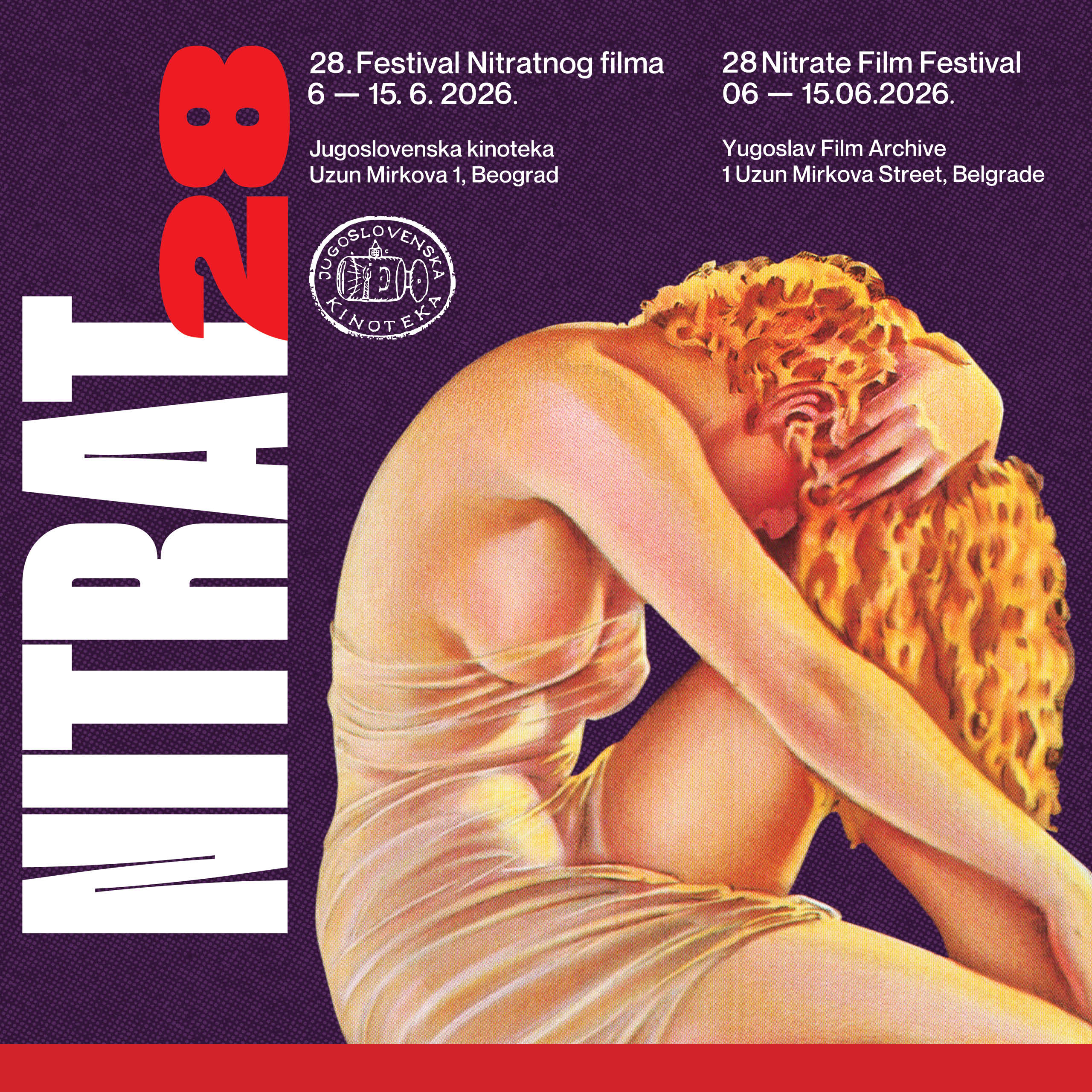
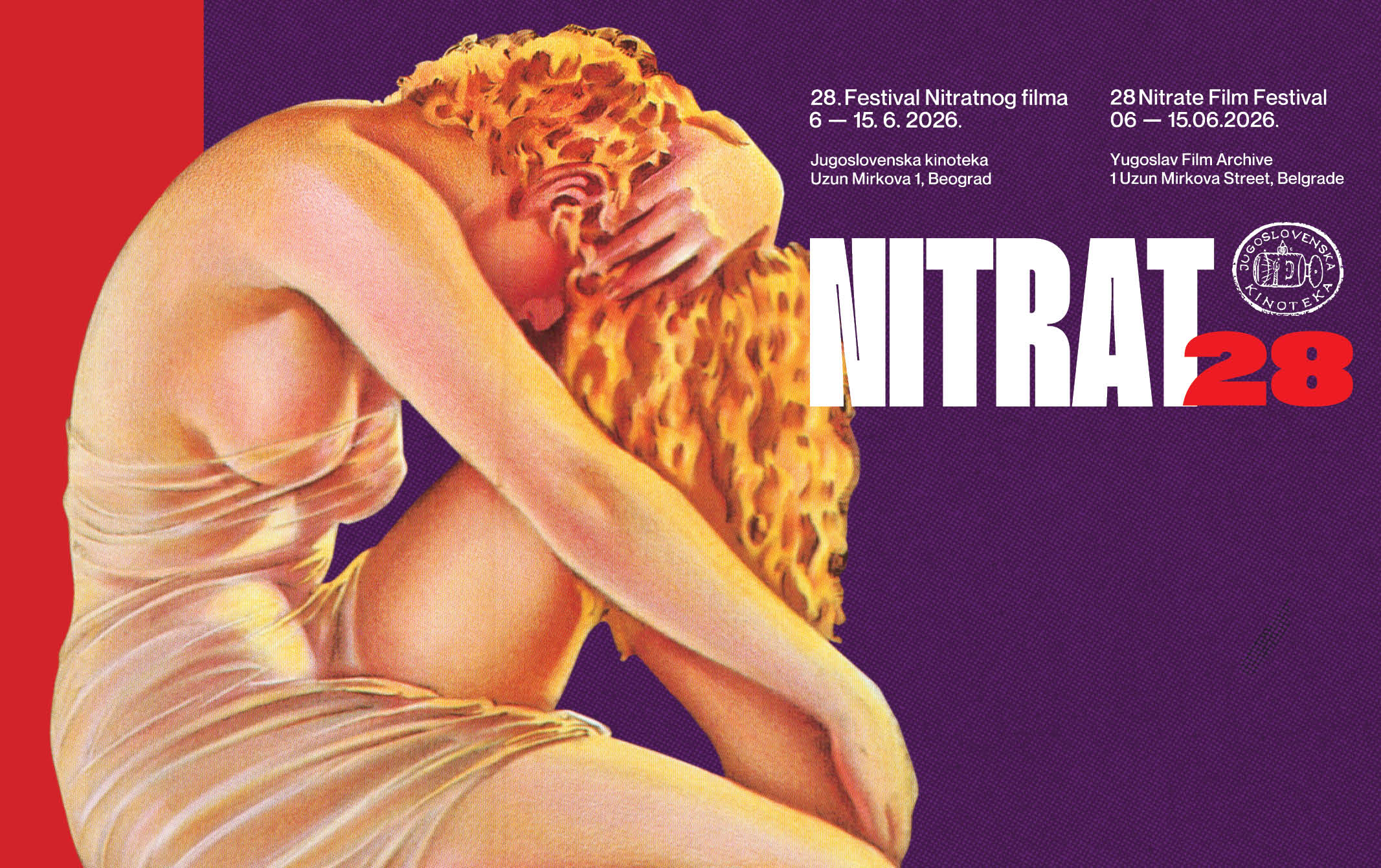
28th NITRATE FILM FESTIVAL
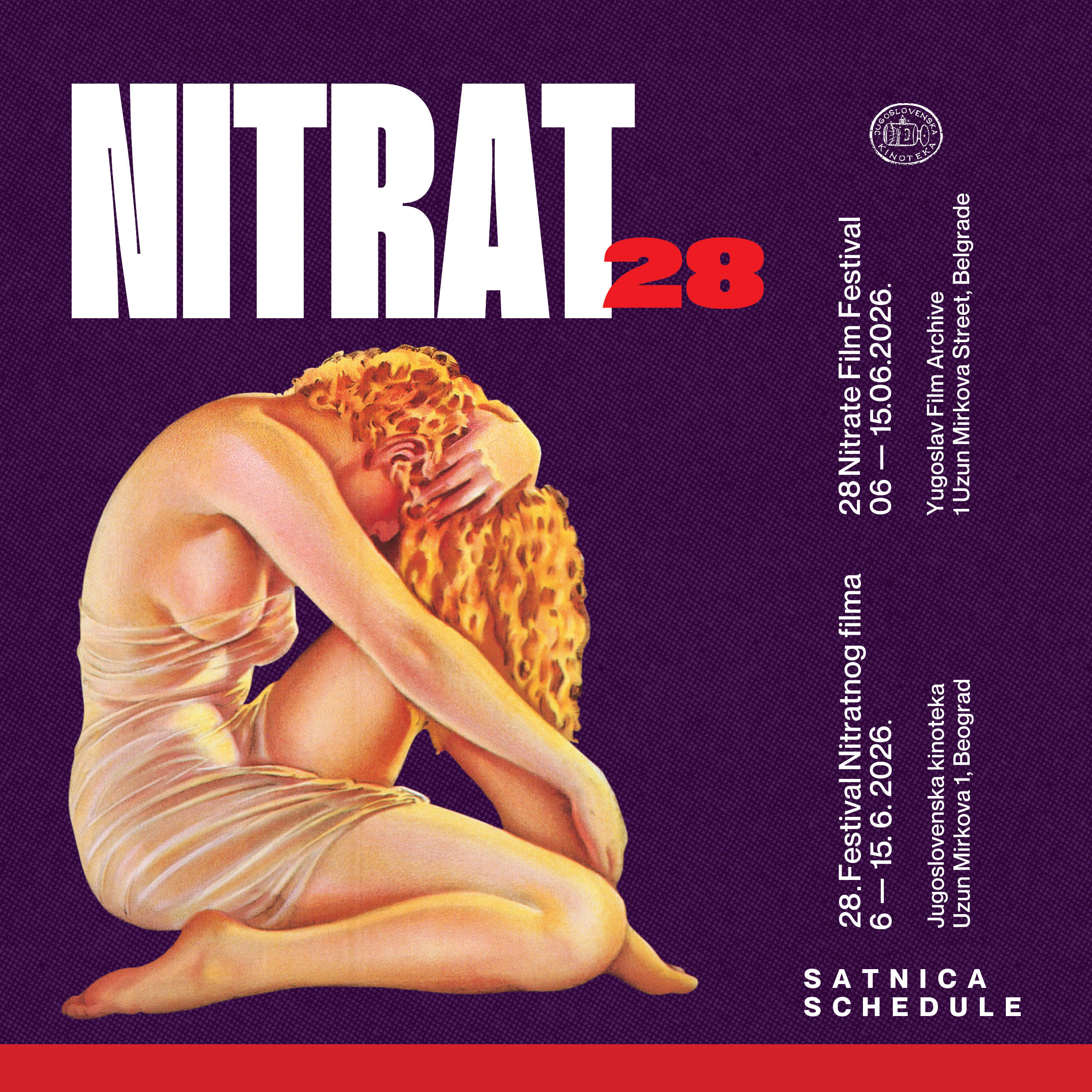
Yugoslav Film Archive, 1 Uzun Mirkova, Belgrade, Serbia
6-15 June 2026
The 28th Nitrate Film Festival is being held at the Yugoslav Film Archive at its traditional time, from June 6th to 15th, featuring nearly 60 films from 23 countries across Europe, Asia, North America, and South America. Nitrate 28 brings together films of all genres from both the silent and sound eras of world cinema.

As Aleksandar Saša Erdeljanović, the festivalʼs program director since its founding and current director of the Yugoslav Film Archive, stated, the festival will show several works that were considered lost for decades, as well as many rare pieces saved from destruction by digital restoration.
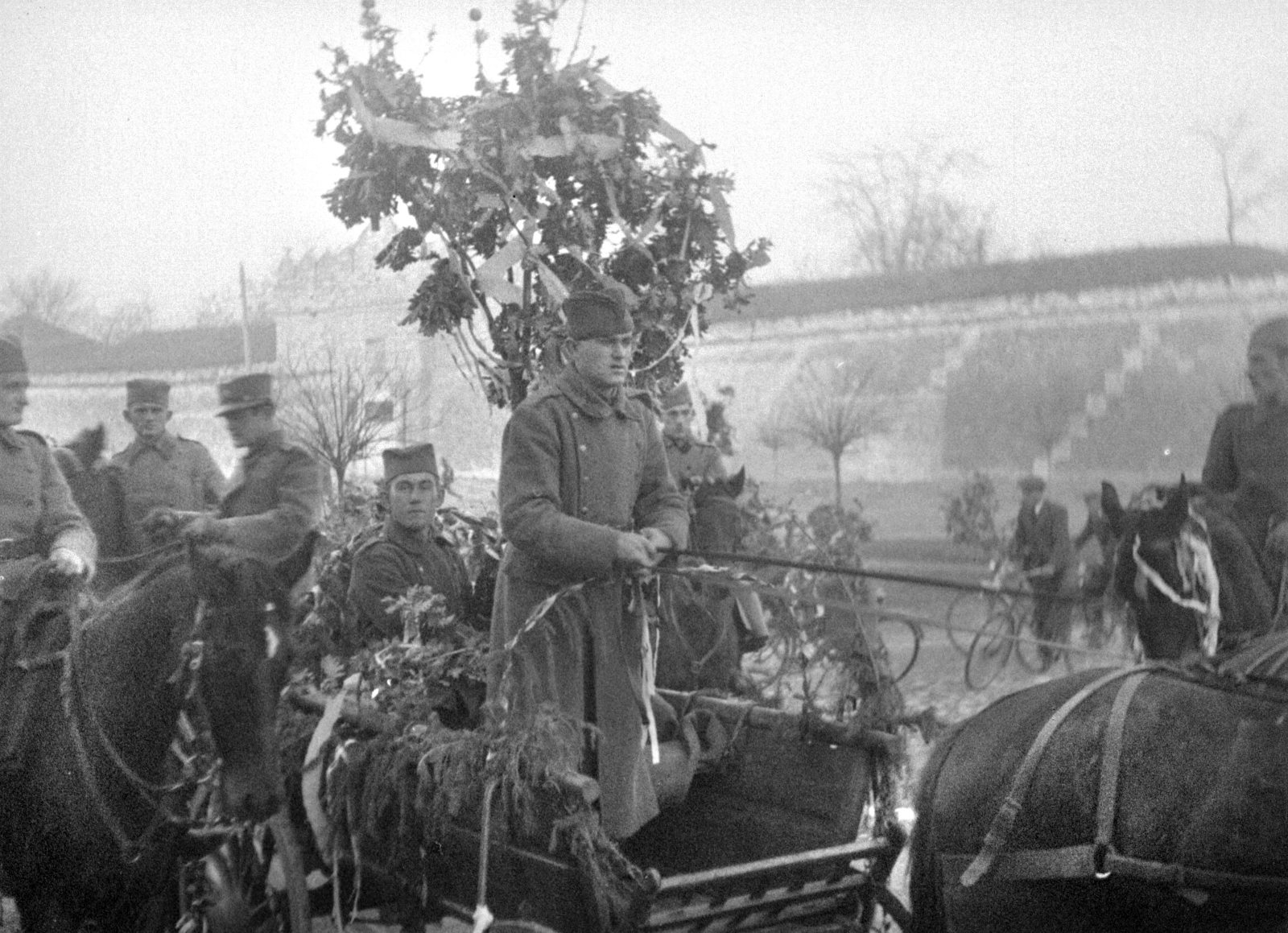
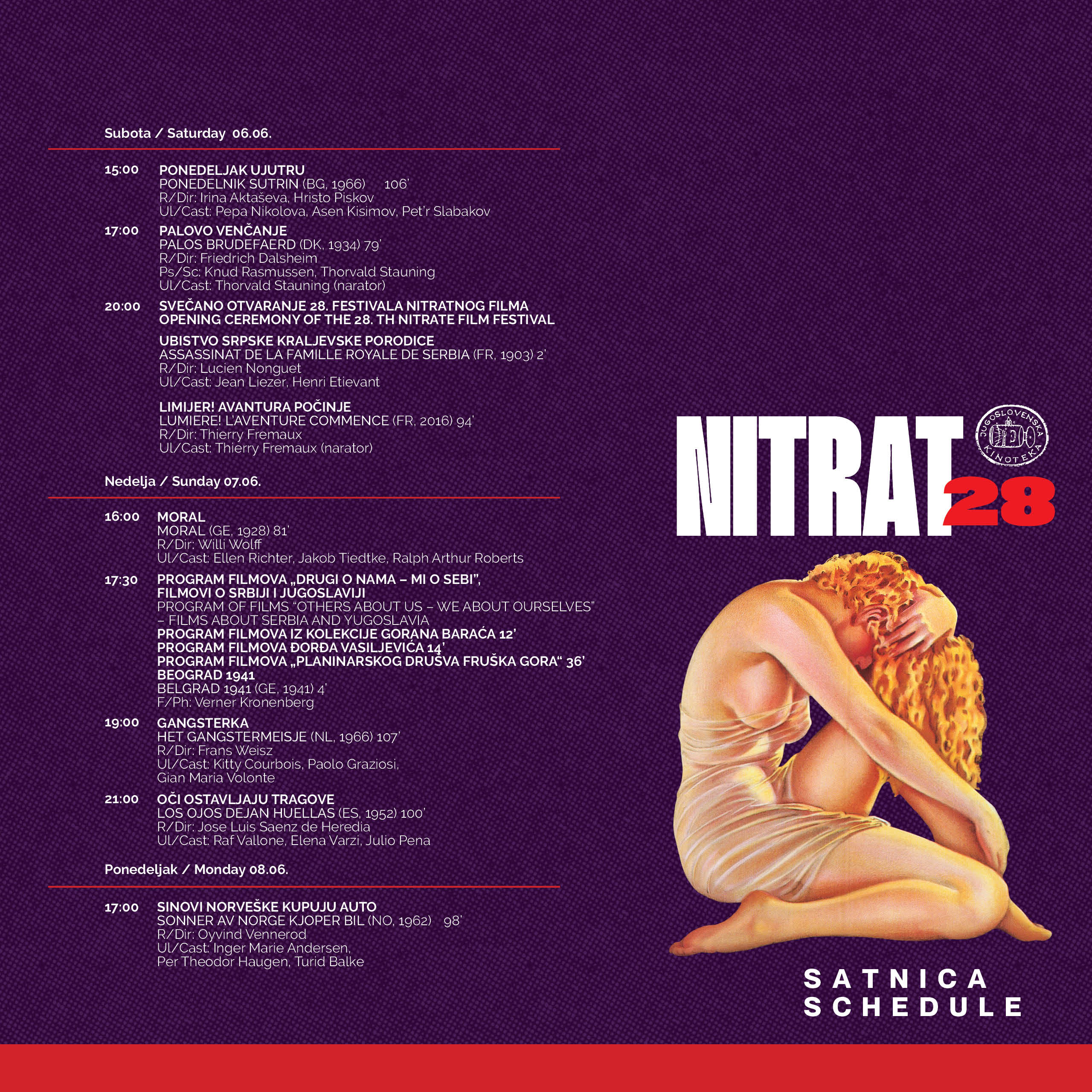
Erdeljanović highlights the long-running program Others About Us ‒ Us About Ourselves, which features documentary and archival films related to the cities and regions of Serbia and the former Yugoslavia. This year, the colour film Belgrade 1941 by German amateur Werner Kronenberg, who filmed the occupying army in the ruined city, will be screened for the first time at Nitrate 28. Additionally, one of the first domestic colour films will be shown — By Kayak and Raft Down the Drina (Kajakom i splavom niz Drinu) by cinematographer Vladeta Limić, produced by the “Fruška Gora Mountaineering Society” from Novi Sad. This beautifully shot film, which follows the society’s entire expedition, was filmed by Vladeta Limić, a photographer for the tourist agency “Putnik”. He also directed the famous 1939 film Drina. The festival will also feature a large program of ten pre-war films by the pioneer of Niš cinema, photographer Đorđe Vasiljević, better known for the works he filmed at the end of World War II for the first issues of Filmske novosti (Film News).
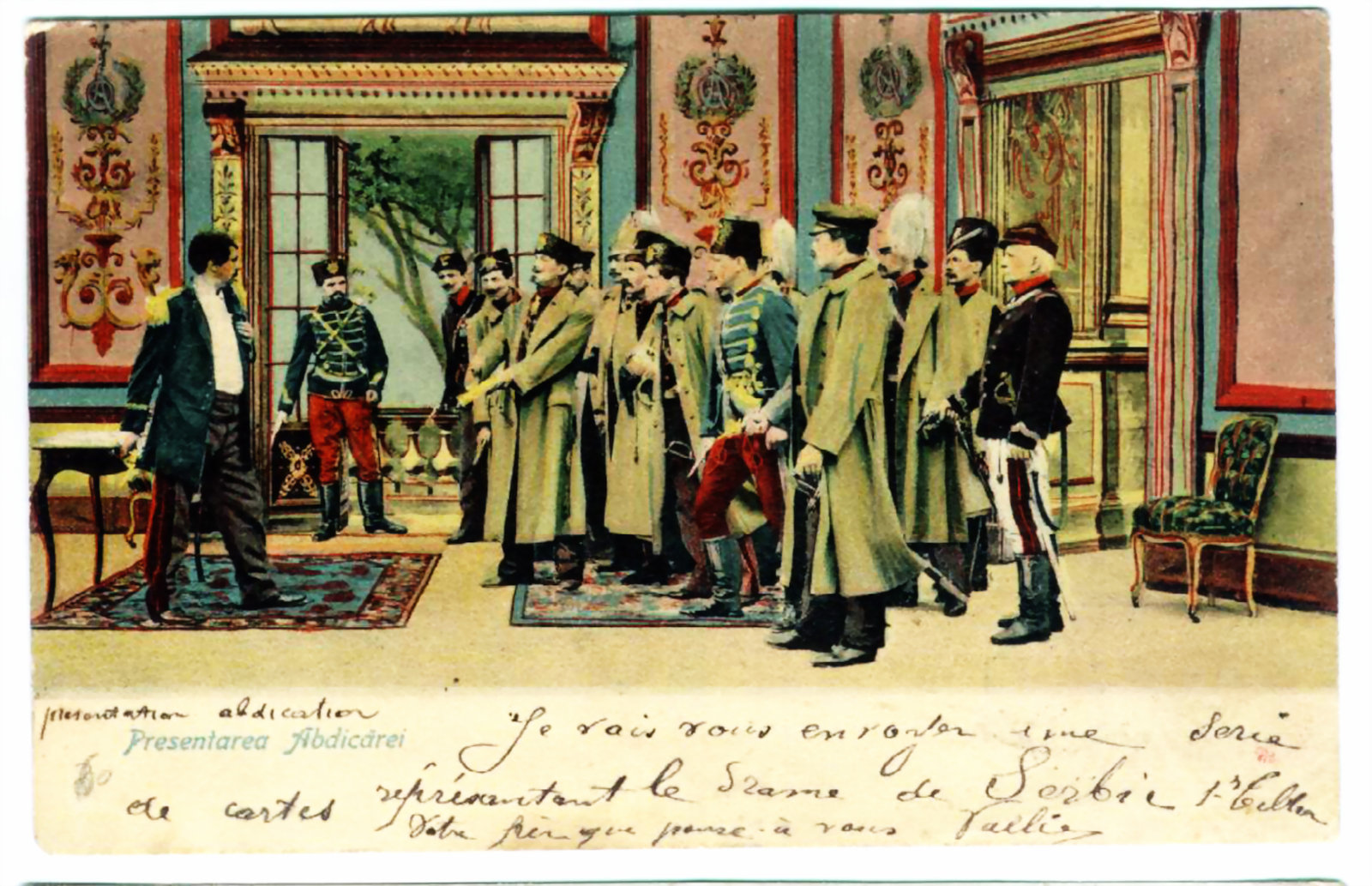
The biggest surprise of Nitrate 28 is a 1903 film, recently discovered in the Spanish Film Archive (Filmoteca Española), titled The Murder of the Serbian Royal Family, produced by the French company Pathé. It is the oldest foreign film on the theme of Serbia and the Serbs. Shot just two days after the May Coup and the demise of the Obrenović dynasty, it was screened worldwide, but never in Serbia.
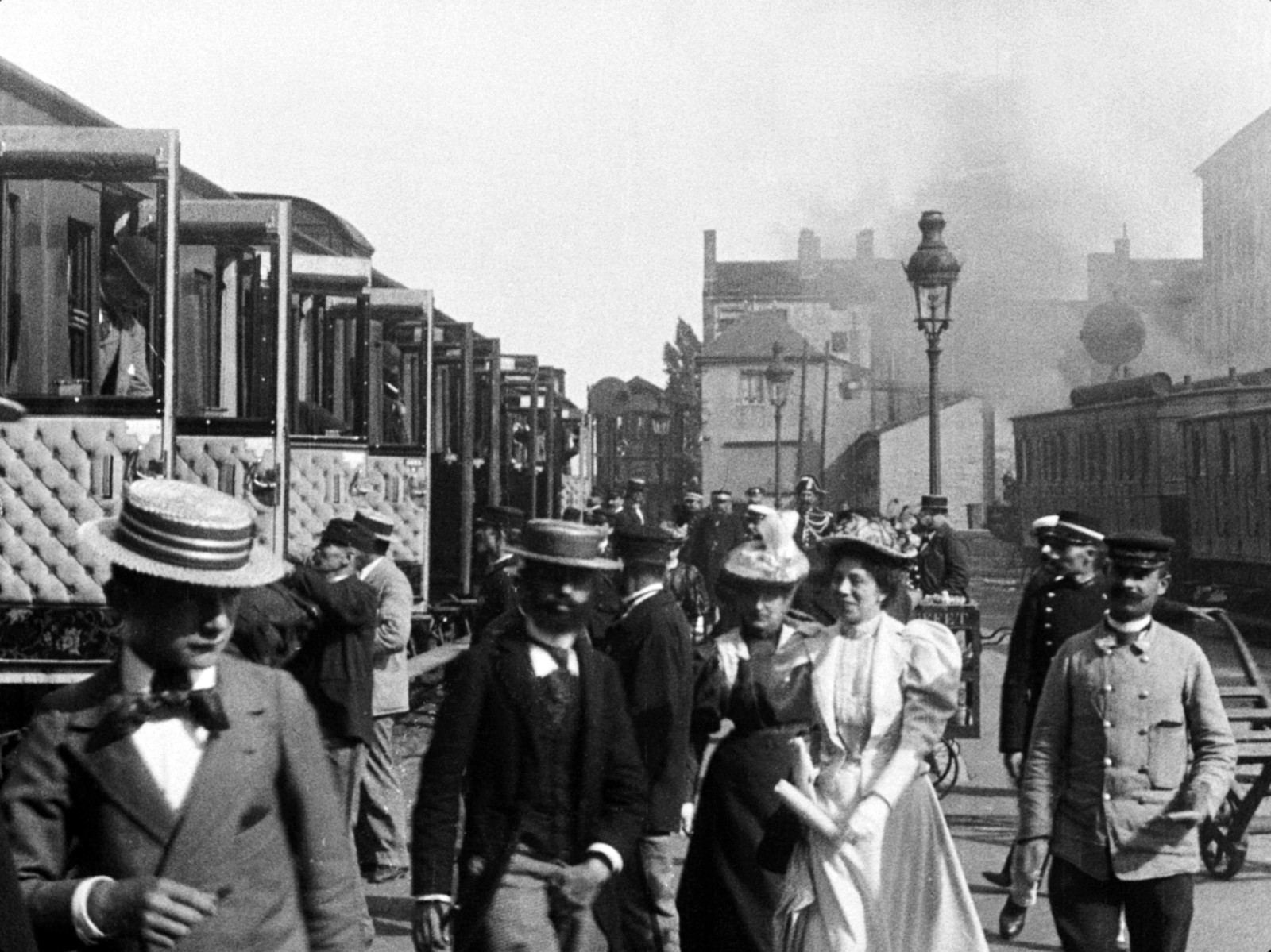
In honour of the 130th anniversary of the first film screening in Serbia and the Balkans — which took place on June 6, 1896, at the “Zlatni krst” restaurant on Terazije, showing films by the “fathers of cinematography”, the Lumière brothers — our festival will mark this occasion at the opening with Thierry Frémaux’s fascinating documentary Lumière! The Adventure Begins (2016). The documentary is constructed from 108 of their restored films, accompanied by the director’s insightful explanations.
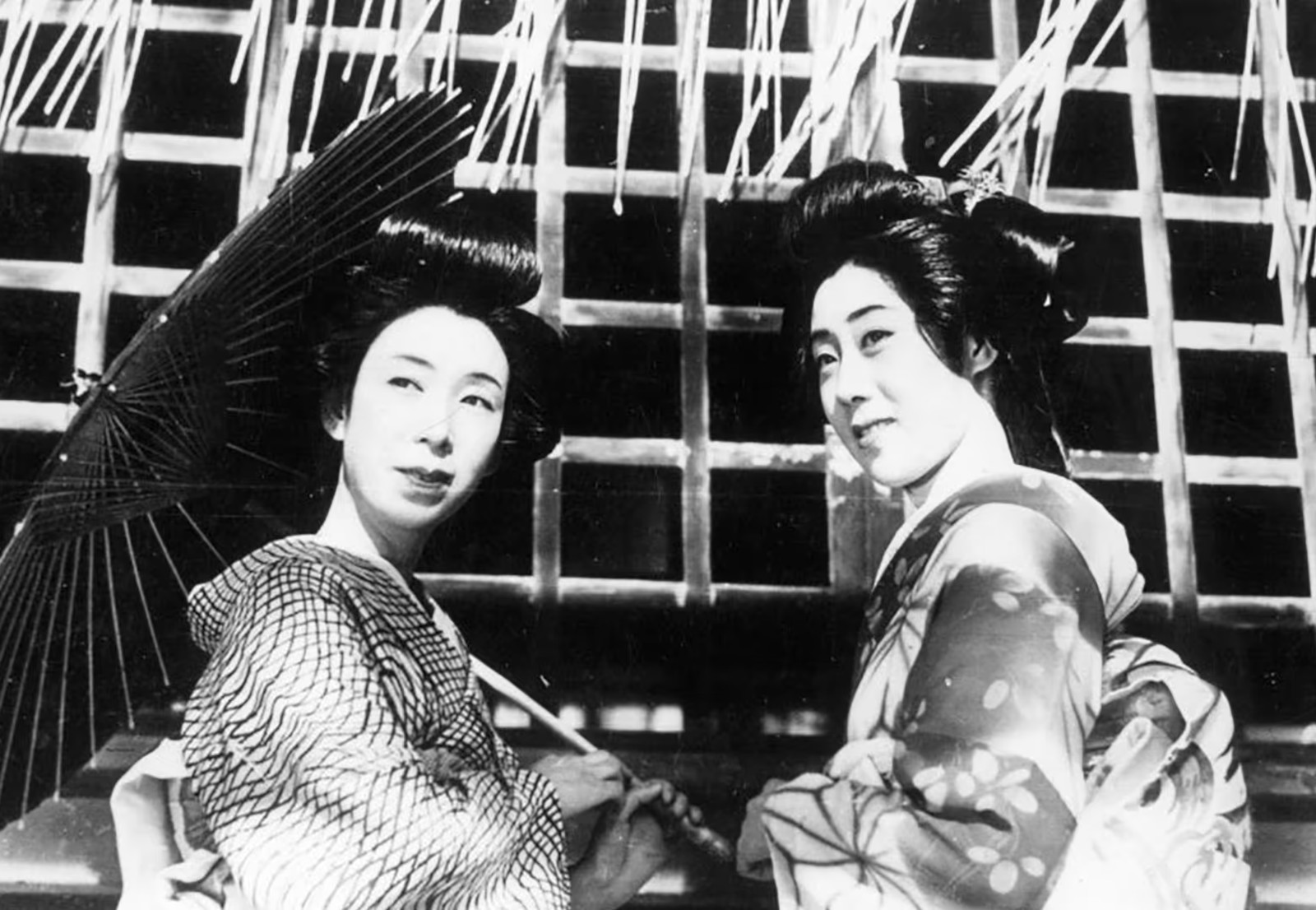
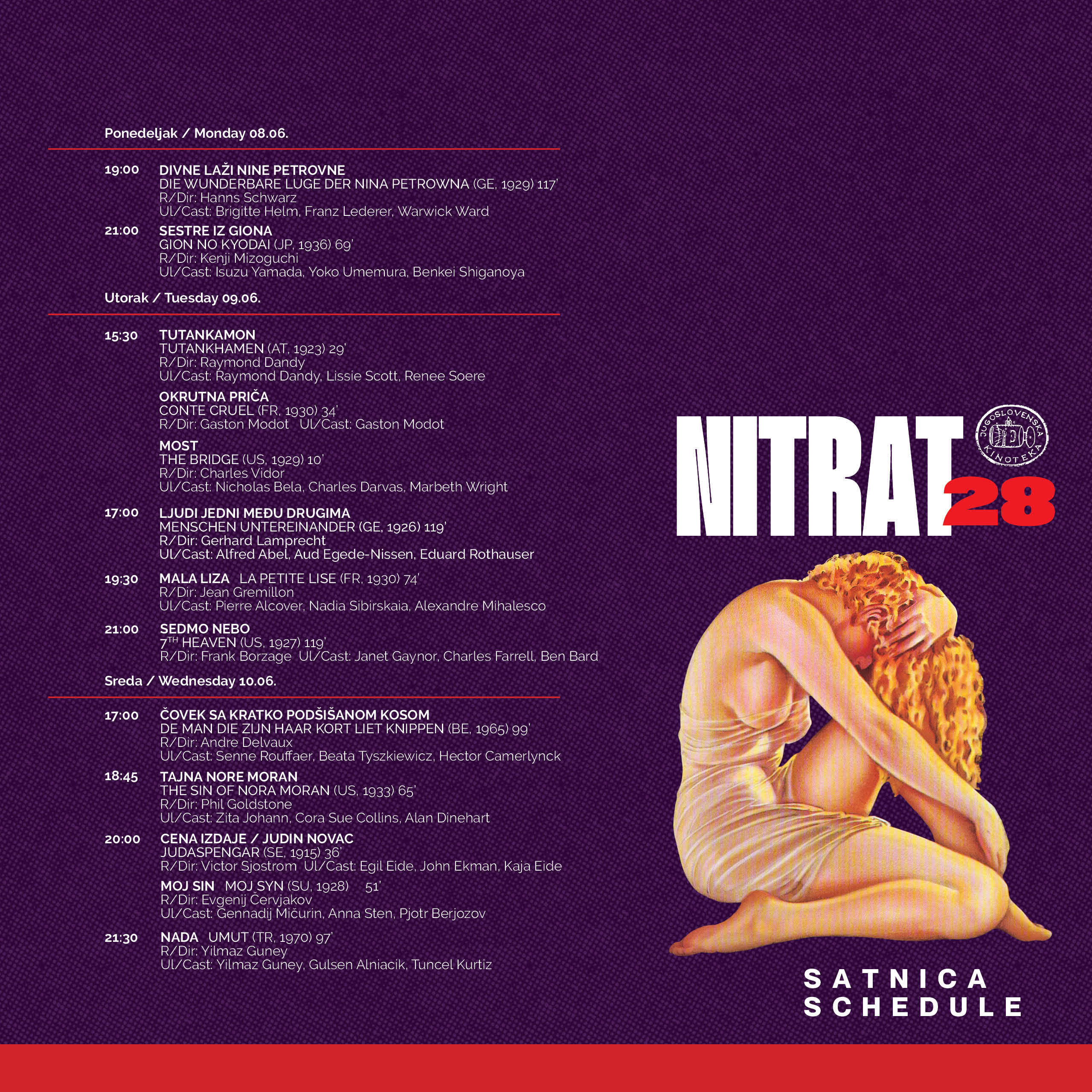
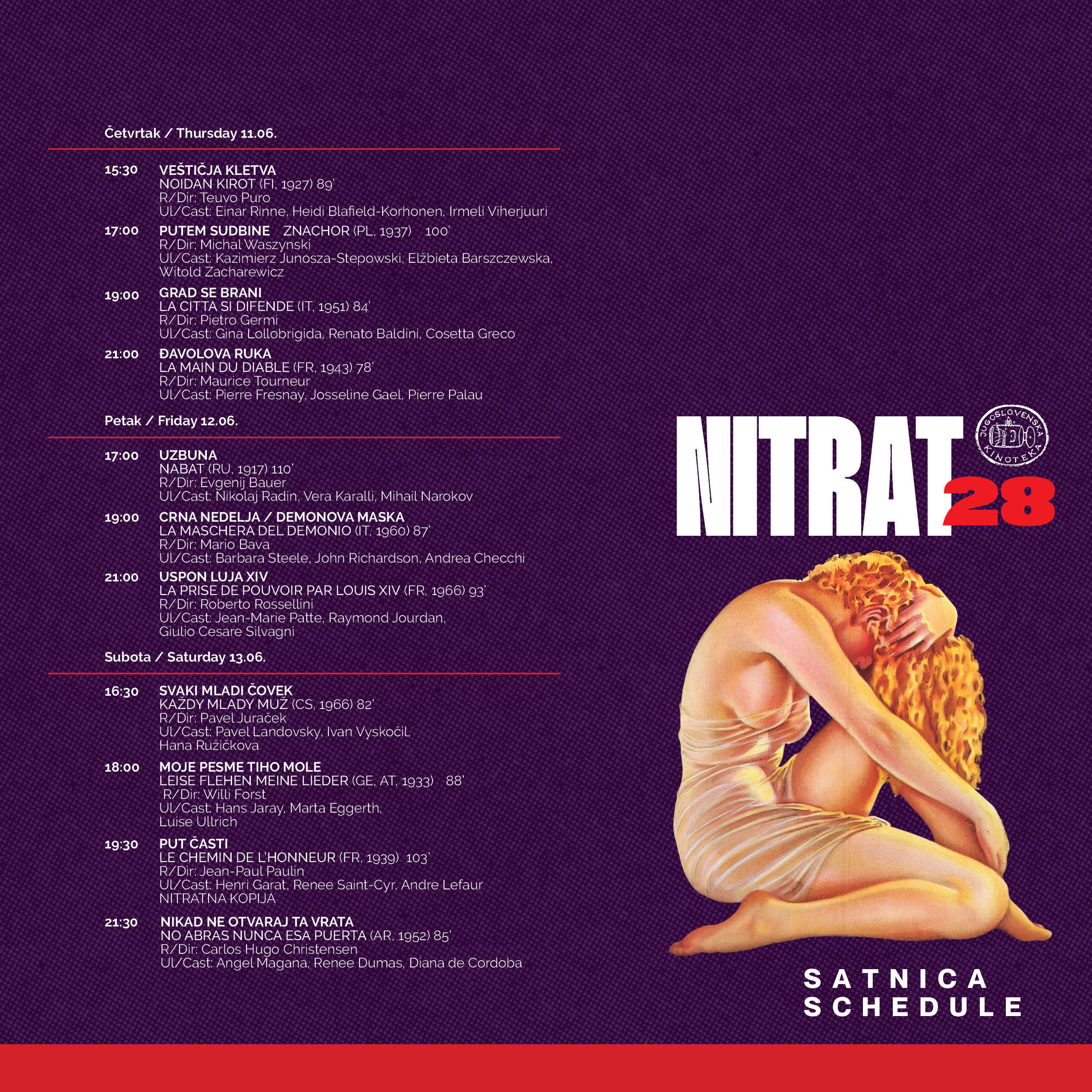
Regarding classics, Erdeljanović stresses the importance of Kenji Mizoguchi’s pro-feminist and perhaps best pre-war film, Sisters of the Gion (1936). Alongside Mizoguchi’s stands Roberto Rossellini’s The Rise of Louis XIV (1966), a historical study of the most prominent French king that has never been screened in Serbia. The line-up also features Jean Grémillon’s early sound film Little Lise (1930), filled with audio-visual experiments; Maurice Tourneur’s The Devil’s Hand (1943), one of the best French films from the German occupation era of the World War II; Frank Borzage’s American classic Seventh Heaven (1927), starring the magical duo Charles Farrell and Janet Gaynor; and It (1927) by Clarence Badger, the most celebrated comedy showcasing Hollywood’s iconic “It Girl”, Clara Bow.
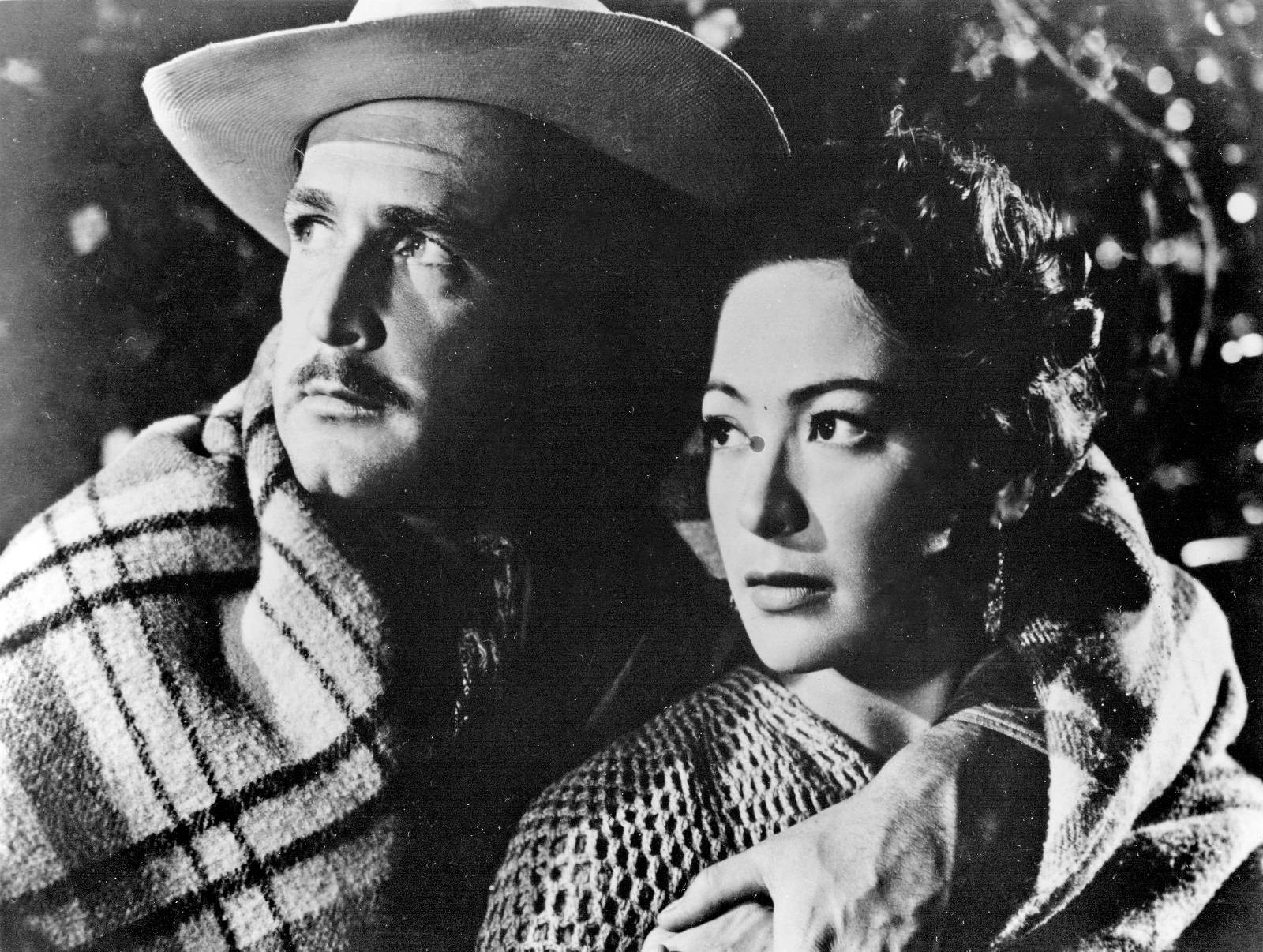
The Nitrate Film Festival audience will also get a premiere of a rarely screened work from Luis Buñuel’s Mexican period, The River and Death (1954). The powerful Russian production is represented by the revolutionary drama The Alarm (1917), directed by the greatest figure of “Tsarist cinema”, Yevgeny Bauer, while Soviet cinema is represented by the long-lost cult film My Son (1928), discovered in Argentina, directed by Yevgeny Chervyakov, who died tragically young. The selection also includes the Spanish noir Eyes Leave a Trace (1952) by the leading “Francois” director José Luis Sáenz de Heredia, as well as a cinephile gem from Belgium, André Delvaux’s The Man Who Had His Hair Cut Short (1965).
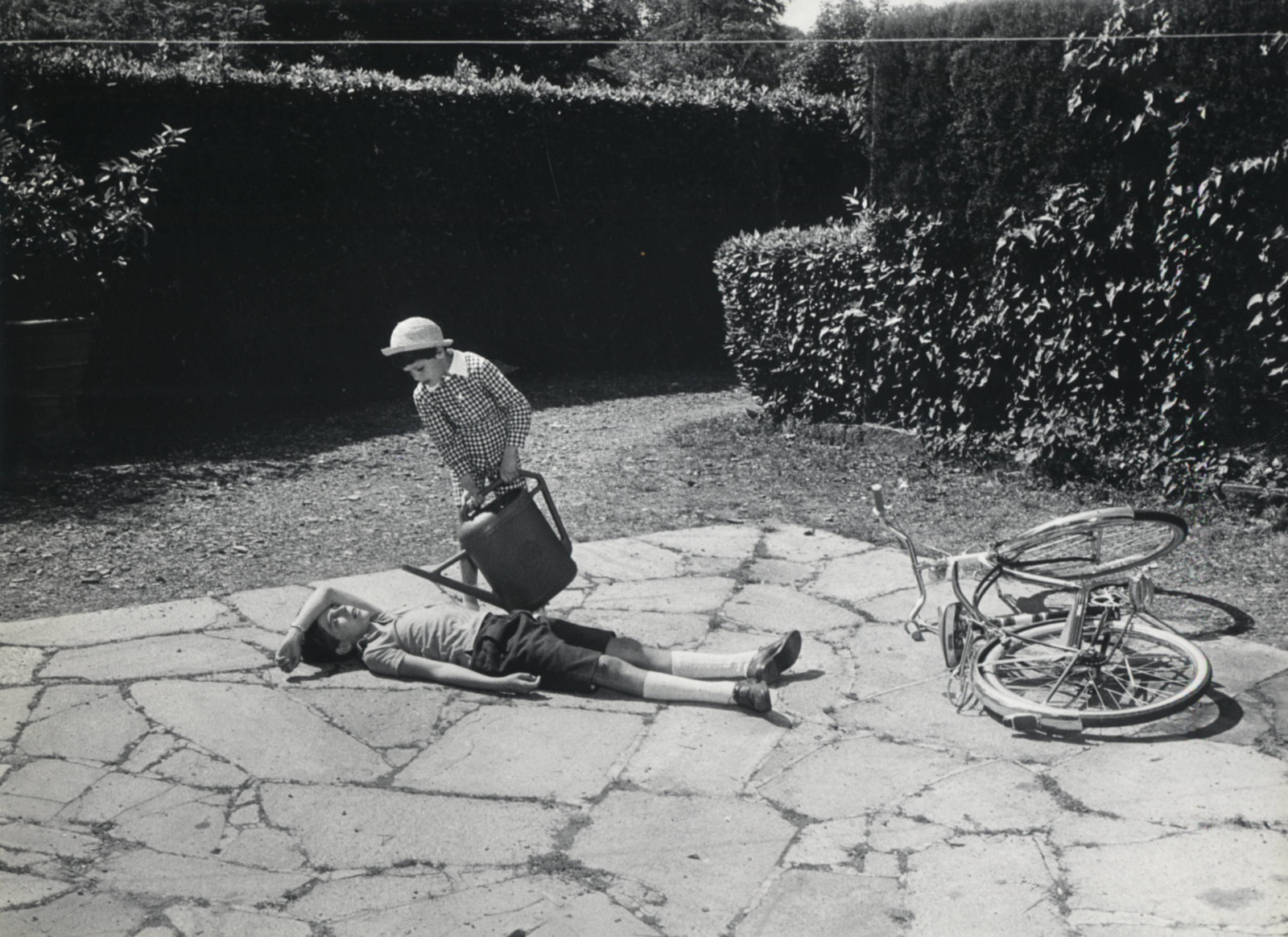
Other highlights include: the recently discovered film The Price of Betrayal (1915) by Swedish legend Victor Sjöström, the sombre Russian-themed drama The Wonderful Lies of Nina Petrovna (1929) by Hanns Schwarz, starring the unforgettable Brigitte Helm in the title role, and the deeply moving masterpiece Misunderstood (1966) by Italian master Luigi Comencini.
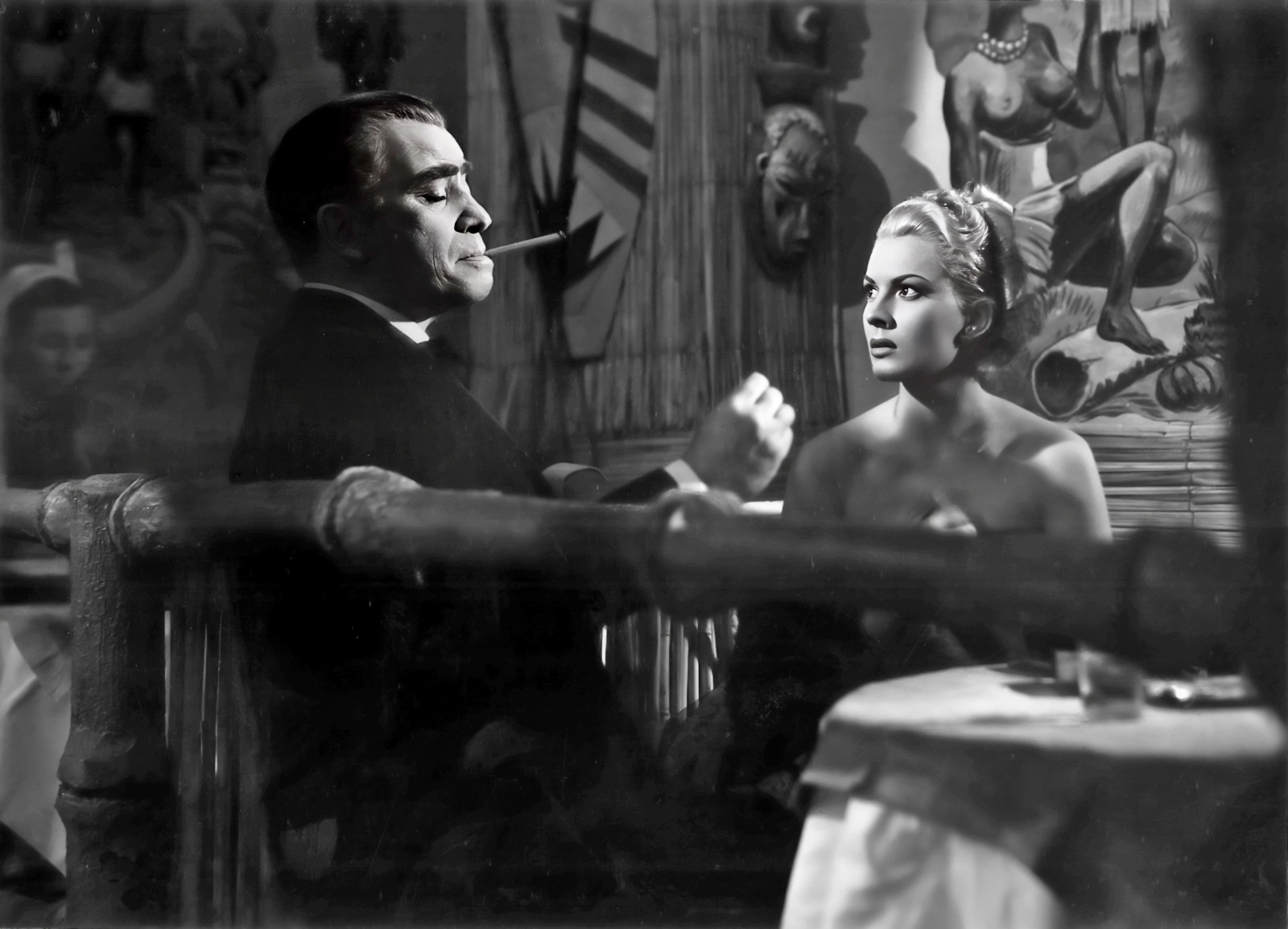
To conclude this selection, we will mention three cinematic gems: the Argentine noir Never Open That Door (1952) by Carlos Hugo Christensen, one of Martin Scorsese’s favourite films; the hallucinatory Hope (1970) by the legendary Turkish director and actor Yılmaz Güney; and what is perhaps the most poetic Italian horror film of all time, Mario Bava’s Black Sunday (1960).
To conclude this selection, we will mention three cinematic gems: the Argentine noir Never Open That Door (1952) by Carlos Hugo Christensen, one of Martin Scorsese’s favourite films; the hallucinatory Hope (1970) by the legendary Turkish director and actor Yılmaz Güney; and what is perhaps the most poetic Italian horror film of all time, Mario Bava’s Black Sunday (1960).